Creating an Inclusive Workplace for Employees With Invisible Health Conditions
2 Oct 2026
18 Sep 2026
min read
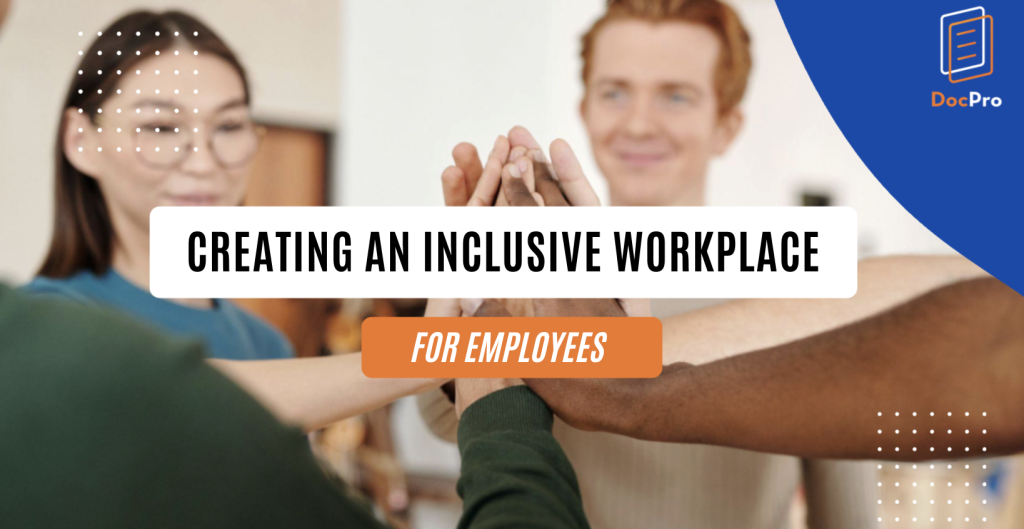
Creating an Inclusive Workplace for Employees With Invisible Health Conditions
Not every health condition is visible. We may work alongside someone without knowing they are managing chronic pain, a neurological condition, mental health challenges, fatigue, sensory difficulties, hyperhidrosis, or another condition affecting their working day.
For businesses, this creates an operational challenge. Employees may need support without feeling comfortable disclosing personal information. An inclusive workplace therefore cannot depend on knowing who has a condition. We need consistent practices, clear documentation, and flexible systems that give people dignity, psychological safety, and opportunities to perform well.
Understanding Invisible Health Conditions at Work
Invisible health conditions include chronic illnesses, neurological and neurodevelopmental conditions, mental health conditions, autoimmune disorders, migraines, chronic pain, and hyperhidrosis, a condition characterized by excessive sweating. Although sweating may seem minor to others, excessive sweating can affect comfort, confidence, clothing choices, equipment handling, and interactions with colleagues or customers.
This variability means rigid assumptions about productivity can create problems. A better management question is: “What does successful performance look like in this role, and which unnecessary barriers are making it harder to achieve?”
Build a Culture Where Employees Feel Safe Speaking Up
Employees are more likely to discuss health-related needs when they believe conversations will be respectful and confidential. That trust develops through behaviour rather than a single diversity policy.
A useful principle is: “Start with the barrier, not the diagnosis. What is preventing the employee from doing their best work, and what can we reasonably change?”
Make Flexible Working Part of Workplace Design
Flexibility is one of the most practical ways to support employees whose symptoms vary. Depending on the role, this might involve flexible starting times, remote or hybrid working, adjusted breaks, temporary workload changes, or flexibility around medical appointments.
Flexibility should not remove accountability. Clear expectations still matter. “The business still needs results, but we can often provide more flexibility around how those results are achieved.”
For someone with hyperhidrosis, practical adjustments might include access to a cooler workspace, additional breaks, flexible uniforms where appropriate, or avoiding unnecessary exposure to heat. Small changes can remove substantial barriers without affecting business objectives.
Reduce Environmental and Sensory Barriers
“When we reduce unnecessary distractions and environmental barriers, we are creating conditions in which more employees can concentrate and work efficiently.” For hybrid teams, noise cancelling software can cut background sound on calls, which helps employees with sensory sensitivities stay focused.
Improve Communication and Make Work Predictable
Clear communication is an accessibility measure that also improves operational consistency. We can reduce friction by documenting important decisions, defining responsibilities, giving reasonable notice of changes, and establishing clear deadlines.
“If a decision matters, document it. If a responsibility matters, define it. If a deadline matters, make sure everyone understands it.”
Handle Disclosure With Privacy and Respect
Managers should avoid becoming amateur diagnosticians. “Our role is not to determine whether someone’s condition is serious enough. Our role is to understand the workplace impact, follow the correct process, and identify an appropriate solution.”
Train Managers for Consistent Support
A strong inclusion policy can fail if managers do not know how to apply it. Supervisors need practical guidance on accommodation requests, confidentiality, performance discussions, fluctuating conditions, and specialist referrals. EHS training software can also help organisations deliver consistent workplace training and keep employee training records organised.
“Consistency matters because employees should not receive completely different support simply because they report to different managers.”
Documented procedures make inclusive practices easier to repeat and scale.
Review Accommodations as Needs Change
An adjustment that works today may not remain appropriate. Health conditions, treatments, responsibilities, technologies, and workplaces change.
Regular, proportionate check-ins allow employees and managers to ask: “Is this adjustment still helping you perform effectively, or is there something we should review?”
The objective is to ensure workplace solutions continue removing the barriers they were designed to address.
Design Inclusion Into Everyday Business Practices
The strongest workplaces do not wait for disclosure before considering accessibility. Recruitment, onboarding, meetings, performance management, office environments, flexible-working policies, and career development can all be reviewed through an accessibility lens.
Employees using accommodations should still have meaningful access to training, assignments, mentoring, promotions, and leadership opportunities. “Inclusion should support the entire employee journey—from recruitment and onboarding through development, progression, and leadership.”
Make Documentation the Foundation of Sustainable Inclusion
Invisible health conditions remind us that equal treatment does not always mean identical working conditions. Sometimes equitable treatment means removing a barrier so someone has a fair opportunity to contribute.
Documentation turns good intentions into repeatable practices. Clear accommodation procedures, manager guidance, responsibilities, workplace policies, and review processes reduce uncertainty and ensure knowledge does not depend on individual managers.
“The goal is to move from individual acts of good management to an organisational system that makes good management easier to repeat.”
By combining human understanding with clear processes and reliable documentation, we can strengthen employee trust, collaboration, operational efficiency, and scalability. Inclusive workplaces are built through consistent everyday decisions, and documentation provides the foundation that helps those decisions become sustainable business practice.
Keywords:
Invisible Health Conditions, Inclusive Workplace, Workplace Accommodations, Hyperhidrosis At Work, Flexible Working, Psychological Safety, Manager Training, Accessibility At Work, Chronic Conditions Employment, Equitable Treatment
,


