How to Document a Property Damage Claim (and When to Bring in Help)
16 Oct 2026
4 Oct 2026
min read
How to Document a Property Damage Claim in Virginia (and When to Bring in Help)
A pipe bursts in January, or a limb comes through the roof in August. You call your insurer, someone takes down a few details, and an adjuster stops by for a quick walk-through. Then, weeks later, an estimate arrives that covers a fraction of what you can see with your own eyes.

That’s the moment most people figure out that a property claim is mostly a paperwork exercise. The insurer builds a file from day one. If you haven’t built your own, you’re arguing from memory against a folder full of notes. This guide covers what to gather, what the Virginia rules say about outside help, and how to tell when it’s time to escalate.
Start the Claim File Before the Adjuster Calls
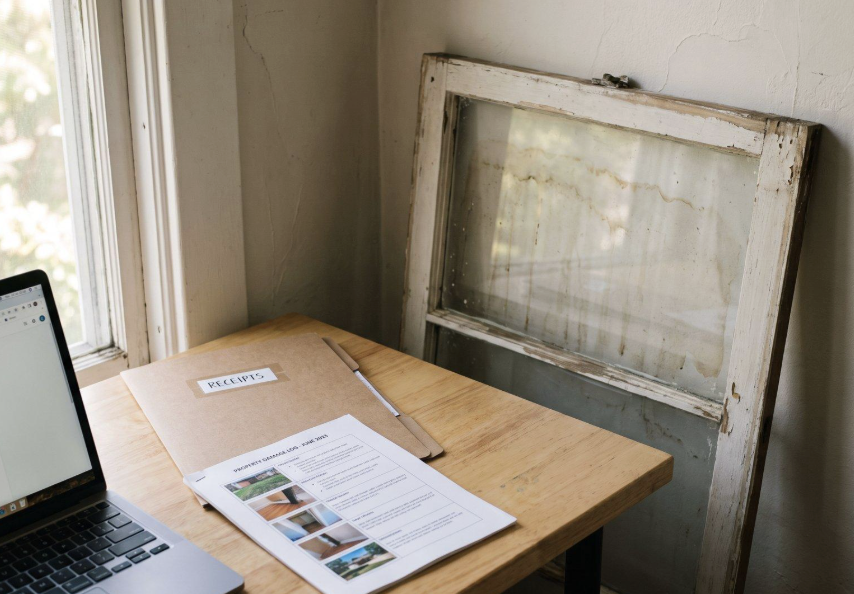
Plenty of homeowners who feel out of their depth bring in a Virginia public adjuster to prepare and present the claim. That can be a smart move on a large loss. But even if you hire one, you’ll do better by starting the file yourself, and if you don’t hire one, the file is your whole case.
Begin with the boring protective steps. Stop the damage from spreading: shut off the water, tarp the roof, board the window. Keep the receipts for whatever you spend, because reasonable emergency repairs are usually part of the claim. Then report the loss promptly and in writing where you can.
Next, document everything before you clean up. Shoot wide photos of each room, then close-ups of each damaged item. Video with you narrating works well too, since it captures the date and your voice describing what happened. If you have pre-loss photos, even a holiday snapshot with the damaged room in the background, pull them out now.
Why bother? Because the odds aren’t as friendly as people assume. A Weiss Ratings analysis published in April 2026, using 2025 NAIC annual statement data, found that fifteen large U.S. insurers closed at least half of their homeowner claims without payment. That figure isn’t the same as wrongful denial, since it includes claims that fell below the deductible or were withdrawn. Still, it’s a good reminder that a thin file rarely helps you.
Finally, keep a communication log. Write down every call: date, name, what was said. Follow up verbal conversations with a short email so there’s a written trail.
Which Documents Actually Matter
You don’t need a filing cabinet. You need a handful of things, organized so you can find them in a minute.
- Your policy and declarations page, so you know your coverage limits and deductible
- An inventory of damaged items with age, price and where you bought them
- Contractor estimates and any mitigation invoices (water extraction, drying, board-up)
- Every written message to and from the insurer
- Proof you owned what you’re claiming
That last one trips people up. Receipts, bank statements and order confirmations all count, and we’ve walked through what counts as proof of purchase in a separate guide. If the original receipt is gone, a credit card statement or a photo of the item in use can fill the gap.
Water problems deserve extra care. Frozen and burst pipes are a routine cause of loss, so insurers see these claims constantly, and they look hard at timing. Write down when you first noticed the leak, when you shut the water off, and when drying started. Gaps in that timeline are where “long-term seepage” arguments come from.
If you’d rather not start from a blank page, our insurance document templates cover inventories, demand letters and appeal letters. Small business owners dealing with a commercial loss may find the fire damage claim template a useful starting structure, though you should adapt it to your policy.
When the Estimate Doesn’t Match the Damage
Don’t react to a low estimate by calling and arguing. Read it line by line instead.
Compare each room and item against your photos and your contractor’s quote. Look for missing rooms, depreciated items you thought were covered at replacement cost, and repair methods that wouldn’t actually fix the problem, like patching a section of flooring when the boards can’t be matched. Mark each gap.
Then respond in writing. Quote the policy language you’re relying on, attach the contractor’s estimate, and keep the tone flat and factual. “Your estimate omits the hallway ceiling, shown in photos 14 through 19” lands better than “this is unacceptable.” A calm paragraph with attachments gets a reviewer’s attention. An angry voicemail doesn’t.
Supplements are normal. Hidden damage often shows up once demolition starts, and insurers expect to revise numbers. Just document it the moment it’s found, before anyone covers it back up.
Know the Virginia Rules Before You Sign Anything
If the gap is large and your own letters aren’t moving it, outside help starts to make sense. Virginia regulates this field, which helps you.
Public adjusters must be licensed through the State Corporation Commission’s Bureau of Insurance, and the Bureau’s public adjuster page explains the licensing and bonding requirements and links to a consumer inquiry tool. Use it. Checking a license is quick and rules out the storm-chasers who show up after every hailstorm.
The statute matters too. Article 4.1 of the Code of Virginia requires a written contract, requires certain disclosures, and restricts collecting fees up front. Read the contract at the kitchen table, not on the hood of a truck. Check how the fee is calculated, what it applies to, and how you can cancel.
Remember, too, that an adjuster earns a percentage of what you recover. That doesn’t make the work worthless; a good one can find scope the insurer missed. It does mean you should ask for references and a plain explanation of what they’ll do that you can’t.
Adjuster, Attorney, or Both
These two professionals solve different problems, and mixing them up wastes money.
An adjuster fits when the insurer has accepted coverage and the fight is over value or scope: how many rooms, what materials, what repairs. An adjuster can’t give legal advice or file suit.
An attorney fits when coverage itself is denied, when you suspect bad faith, or when a deadline is close. Virginia policies and statutes set limits on when you can sue, and those can be shorter than people expect, so check your policy language and talk to counsel early rather than late. A law firm that handles Virginia property disputes can tell you in one consultation which side of the line you’re on.
Sometimes it’s both. A common path is an adjuster who builds and negotiates the claim, with a lawyer stepping in if talks collapse. Don’t wait for a flat denial to ask the question.
The Short Version
Build your file before anyone asks for it. Verify any license before you sign. And escalate for a reason: an adjuster when the dispute is about money, an attorney when it’s about rights. DocPro’s templates are tools for organizing your paperwork, not legal advice, so treat them as a starting point.
Keywords:
Property Damage Claim, Document Insurance Claim, Claim File Checklist, Public Adjuster, Low Insurance Estimate, Insurance Claim Documents, Property Claim Proof, When To Hire Adjuster
,


